Body Scan

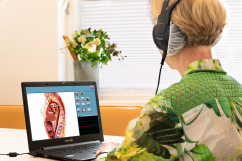
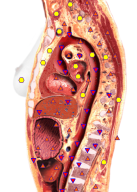
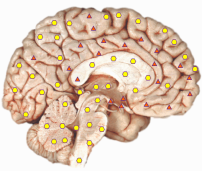
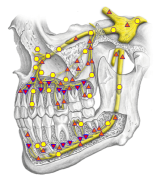
Everyone is familiar with CT or MRI scans these days. Both procedures are indispensable for providing us with information about changes in organ structures, such as in cases of herniated discs or cancer, to name just a few. These procedures involve radiation exposure. A body scan works like sonar. Using headphones that emit echo waves on one end and receive the echo waves deflected by the body on the other, the body is examined for functional disorders. This can reveal whether these disorders are minor dysfunctions that the body can often heal itself, or whether they are already in stage 2 with damage to organ function, or even in stage 3 with signs of severe impairment of the entire organism. Tobacco use serves as an example: Initially, the body's self-healing powers kick in, with increased mucus production in the bronchi and coughing to eliminate the irritant caused by the smoke. However, if a cold develops, the regenerative capacity of the bronchi is eventually overwhelmed, resulting in bronchitis or pneumonia. After several episodes of infection with continued tobacco use, the entire organism can ultimately be affected by chronic oxygen deficiency due to chronic lung damage or by cancer. Of course, lung dysfunction is diagnosed through pulmonary function testing, and organ changes are revealed through X-rays, CT or MRI scans, and bronchoscopy of the lungs. However, I use the body scan to identify other factors besides tobacco use that can also affect lung function or contribute to a chronic cough. This provides me with information about therapeutic approaches and measures, in addition to smoking cessation, that can promote the regeneration of the bronchial mucosa and improve lung function. Body scans are not a standard service covered by statutory health insurance. Therefore, they cannot be billed through health insurance companies. |
|
→ |
|
|